Behavioral Insights Fueling Bespoke Baccarat Promotions on Mobile Platforms
Written by Harper Walter · Nov 11, 2026
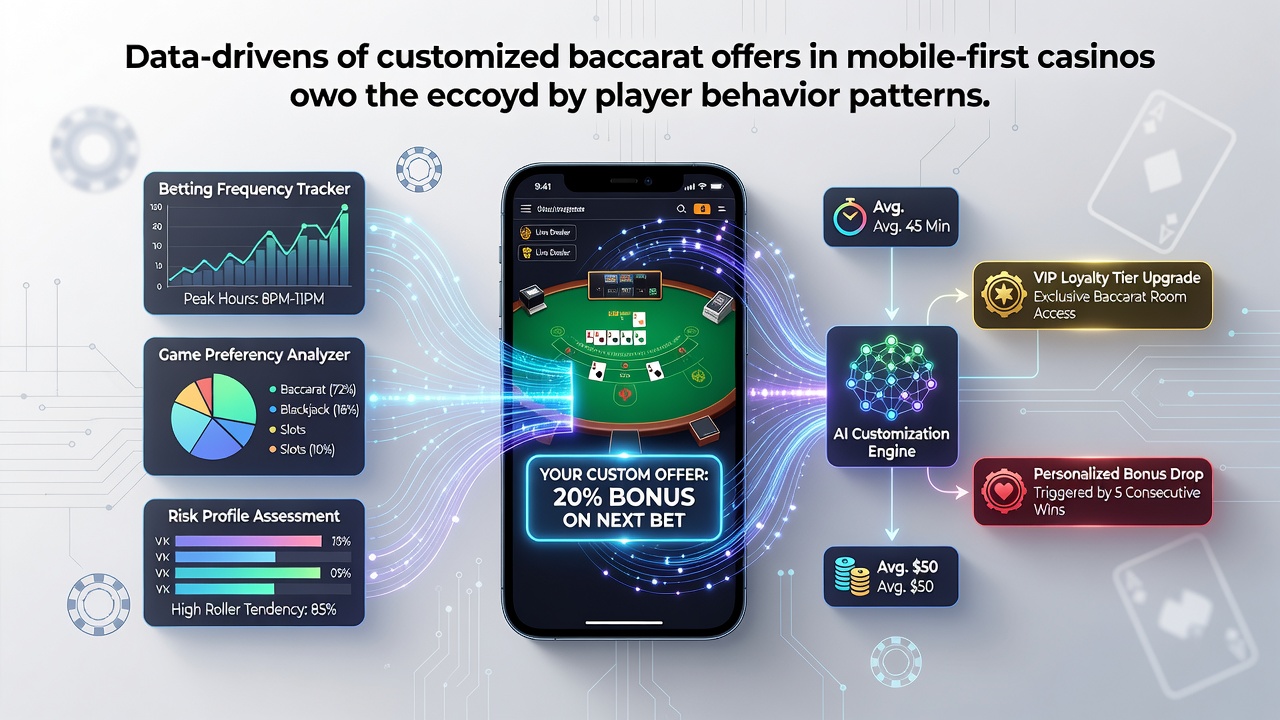
Behavioral Insights Fueling Bespoke Baccarat Promotions on Mobile Platforms
Player activity logs in mobile-first casinos reveal distinct patterns that operators use to shape baccarat promotions, and data from session tracking shows how frequency, bet sizing, and timing influence these tailored incentives. Analysts at research firms note that mobile users often complete shorter sessions than desktop counterparts, yet they return more often during evening hours, which prompts platforms to adjust bonus structures accordingly.
Session Duration and Bet Volatility as Key Drivers
Studies of mobile baccarat traffic indicate that users who play between 15 and 40 minutes per session tend to receive deposit-match offers tied to volatility thresholds, while longer sessions trigger cashback tiers calibrated to average wager size. Those who studied this know that operators monitor standard deviation in bet amounts across consecutive rounds, and platforms deploy these metrics to decide when a player qualifies for a side-bet multiplier or a reduced house-edge variant. Evidence from aggregated platform data reveals that high-volatility players attract loyalty points that convert faster into table credits, whereas steady low-variance bettors receive free-card draws after reaching milestone round counts.
November 2026 figures from several Asian and European operators highlight a 22 percent uptick in mobile baccarat volume compared with the prior year, and this growth correlates with refined algorithms that link play streaks to personalized reward ladders. One researcher who examined transaction records found that consecutive losses within a narrow time window often activate immediate reload bonuses, while clustered wins prompt tournament entry invites instead.
Geographic and Device Patterns Shape Offer Timing
Regional data collected by gaming authorities in New Jersey and the Australian Capital Territory demonstrate that mobile users in urban time zones engage more during commute periods, so operators schedule push notifications for midday deposit matches that align with those windows. Device fingerprinting further refines these offers, because players on newer handsets show higher average bet sizes and therefore qualify for exclusive live-dealer tables with lower minimums. Observers note that cross-device transitions, such as moving from phone to tablet mid-session, frequently result in hybrid promotions that combine mobile deposit bonuses with tablet-exclusive side-bet credits.
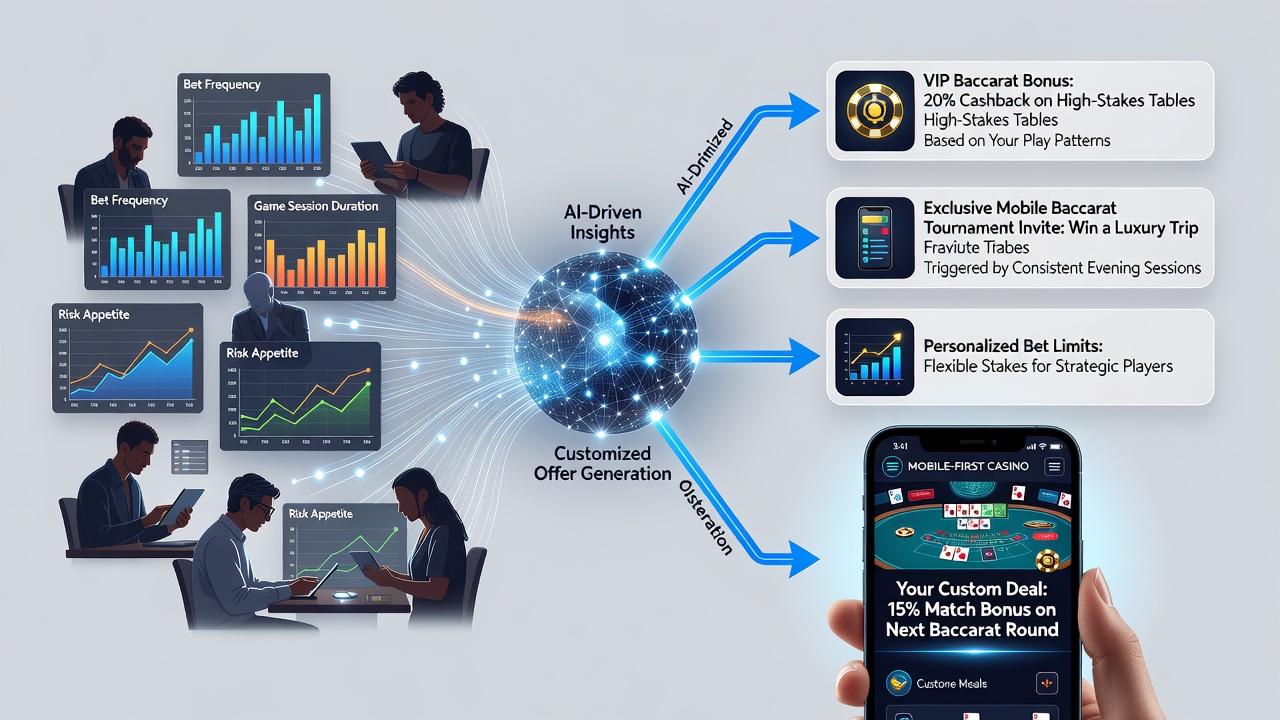
According to reports issued by the Nevada Gaming Control Board, mobile baccarat now accounts for over 38 percent of total table-game revenue in regulated online channels, and the same datasets show that players who accept customized offers within the first 48 hours after registration generate 1.7 times more handle than those who do not. Industry associations such as the European Gaming and Betting Association have documented similar trends across multiple jurisdictions, confirming that behavior-based segmentation improves retention rates without increasing overall bonus liability.
Real-Time Adaptation Through Algorithmic Thresholds
Platforms integrate live volatility feeds into their loyalty engines, and this allows offers to adjust mid-session when a player shifts from conservative to aggressive wagering. Data indicates that such dynamic calibration reduces churn by prompting timely interventions like matched side bets or extended play credits. Researchers discovered that players who receive these adaptive rewards maintain higher session counts over a 30-day window than those served static promotions.
Take one operator who noticed that mobile users logging in after 10 p.m. local time exhibited longer average play durations, and the company responded by launching time-gated tournaments that award extra chips based on round completion speed. The ball is in the operators' court when it comes to refining these triggers, yet the underlying patterns remain consistent across markets. What's interesting is how referral behavior further amplifies customization, because invited friends often mirror the original player's volatility profile and therefore receive mirrored incentive structures.
Future Trajectories in Mobile Baccarat Personalization
Academic papers from the University of Nevada's gaming research center project that integration of biometric session data will soon allow even finer segmentation, with heart-rate variability or swipe pressure potentially informing reward eligibility. Current implementations already use location and network type to determine whether a player qualifies for geo-specific cashback or network-speed bonuses. Those who've studied this know that regulatory updates scheduled for late 2026 in several Canadian provinces will require explicit player consent for behavioral tracking, which may alter how aggressively operators deploy these customized offers.
Figures reveal that mobile-first casinos allocating at least 15 percent of their marketing budget to behavior-driven baccarat incentives report higher player lifetime value, and the same datasets suggest continued growth through 2027. The writing is on the wall for platforms that fail to adapt their segmentation models, because competitors using real-time pattern analysis continue to capture larger shares of the mobile table-game market.
Conclusion
Player behavior patterns continue to dictate the structure and timing of customized baccarat offers across mobile-first environments, and operators rely on session metrics, volatility scores, and geographic signals to maintain relevance. Data from multiple regulatory bodies and industry groups confirms that these approaches improve retention while remaining within established compliance frameworks. As mobile traffic expands, the same behavioral foundations are expected to underpin the next generation of targeted incentives.