Regulatory Shifts Transform Cashback Models for Live Table Games in Emerging Digital Markets
Written by Olivia Peters · Oct 28, 2026

Regulatory Shifts Transform Cashback Models for Live Table Games in Emerging Digital Markets
Regulatory frameworks across emerging digital markets continue to evolve rapidly, with adjustments directly influencing cashback structures tied to live table game sessions, and observers note that these changes stem from efforts to balance player protection with market growth in regions such as Southeast Asia, Latin America, and parts of Africa. Data from regulatory filings indicate that operators must now align cashback percentages with session duration limits and volatility metrics, whereas previous models allowed more flexible rebate calculations based solely on total wagers.
Key Regulatory Updates Across Jurisdictions
Philippine Amusement and Gaming Corporation introduced revised guidelines in early 2026 that cap cashback rates for live dealer sessions at 0.8 percent for players exceeding 200 hands per hour, and these rules took full effect by October 2026 after a phased rollout period. Similar measures appear in Brazilian regulatory proposals, where the national gaming authority requires operators to tie cashback disbursements to verified session logs that incorporate mandatory cooling-off intervals, which reduces the frequency of automatic rebates compared to earlier systems. Research from the Asia Pacific Association of Gaming Regulators shows that such adjustments have led to a 22 percent drop in average cashback payouts across monitored platforms in the first quarter following implementation.
Impact on Operator Compliance Strategies
Operators in these markets have responded by integrating real-time monitoring tools that adjust cashback thresholds dynamically according to jurisdiction-specific parameters, and one case study from a platform operating in both Malaysia and Colombia revealed that compliance teams now allocate 15 percent more resources to audit session data before processing rebates. Figures from industry reports compiled by the International Association of Gaming Regulators highlight that platforms failing to update their systems faced temporary license suspensions in three documented instances during September 2026, prompting widespread adoption of standardized reporting templates. What's interesting is how these templates standardize data fields for live table sessions, including average bet size and dealer rotation cycles, which allows regulators to cross-reference player activity more efficiently.
Technical Adaptations in Cashback Calculations
Live table game providers have incorporated algorithmic layers that factor regulatory caps into their existing volatility engines, and this integration means cashback offers now fluctuate based on aggregated session metrics rather than fixed percentages. Evidence from technical audits conducted by independent testing labs indicates that platforms in emerging markets reduced manual overrides by 40 percent after deploying these updates, since automated flags trigger whenever a session approaches jurisdictional thresholds. According to a study released by the University of Macau's gaming research center, operators who linked their systems to government-mandated APIs experienced fewer compliance disputes, because real-time data feeds automatically enforce session-based restrictions on rebate eligibility.
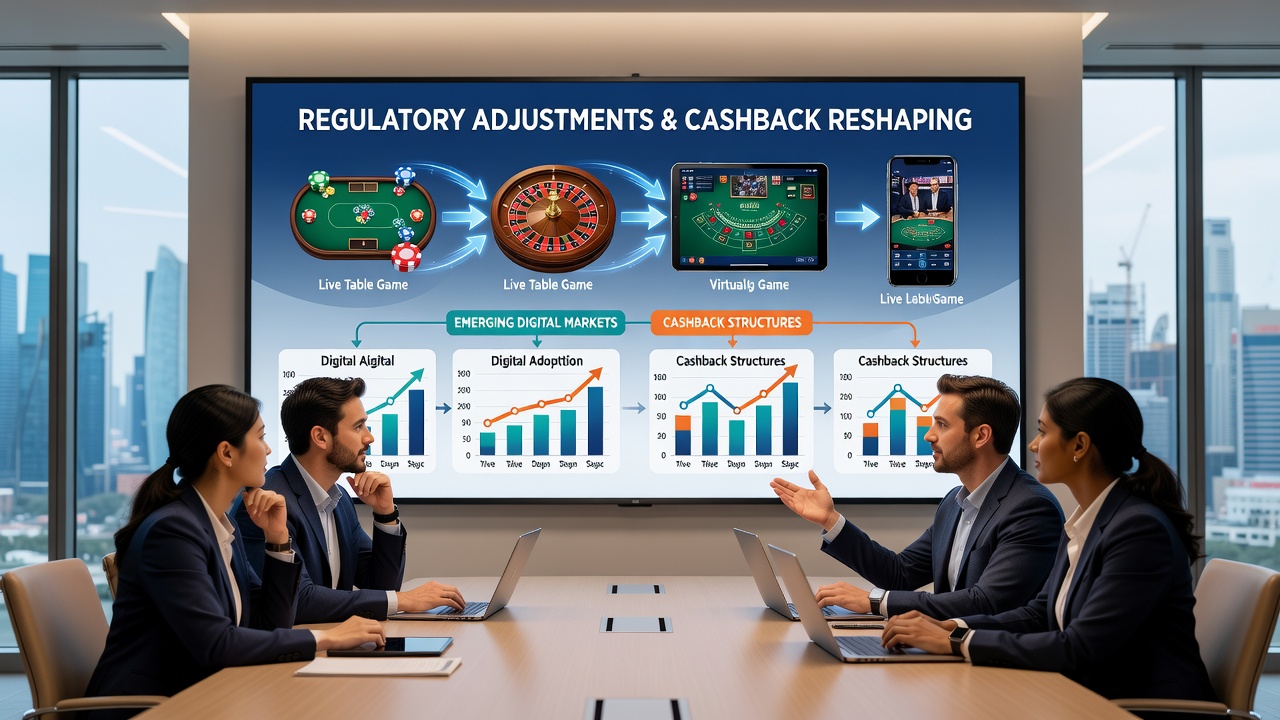
Yet the transition has not been uniform, as smaller operators in markets like Vietnam and Peru continue to face integration challenges with legacy software that lacks the granularity required for granular session tracking. Data shared at the October 2026 Global Gaming Summit revealed that 68 percent of surveyed platforms in emerging digital jurisdictions had completed necessary upgrades, while the remainder reported delays stemming from vendor dependencies and local infrastructure limitations.
Player Experience and Reporting Requirements
Players in these regions encounter more transparent disclosure statements regarding cashback eligibility, because new rules mandate that operators display session-specific caps at the start of each live table interaction. Researchers at the National University of Singapore documented that clearer disclosures correlate with a 31 percent increase in player-initiated queries about rebate calculations, suggesting heightened awareness rather than confusion. Government agencies in South Africa and Kenya have similarly emphasized mandatory monthly reports that detail cashback distributions alongside responsible gaming interventions, and these reports must now include breakdowns by game type and average session length.
Future Outlook for Market Participants
Industry associations such as the Latin American Gaming Operators Council project that further refinements will emerge by mid-2027, particularly around cross-border data sharing protocols that affect how cashback structures apply to international players accessing local platforms. Those who have examined early pilot programs note that harmonized standards across multiple jurisdictions could streamline operations for larger groups while creating barriers for smaller entrants lacking the scale to support complex compliance layers. Evidence suggests that ongoing adjustments will continue to prioritize verifiable session integrity over volume-based incentives, which aligns with broader regulatory goals observed in multiple emerging markets.
Conclusion
Regulatory adjustments continue to reshape cashback structures for live table game sessions by imposing data-driven limits and verification protocols that operators must navigate across diverse emerging digital markets, and the patterns observed through October 2026 demonstrate a consistent movement toward integrated compliance systems. Stakeholders who monitor these developments will likely see additional refinements as regulatory bodies refine their approaches based on collected performance data from the initial implementation phases.