The Inner Workings of Baccarat Promotion Stacking in Multi-Jurisdictional Casino Environments
Written by Harper Walter · Nov 25, 2026
The Inner Workings of Baccarat Promotion Stacking in Multi-Jurisdictional Casino Environments
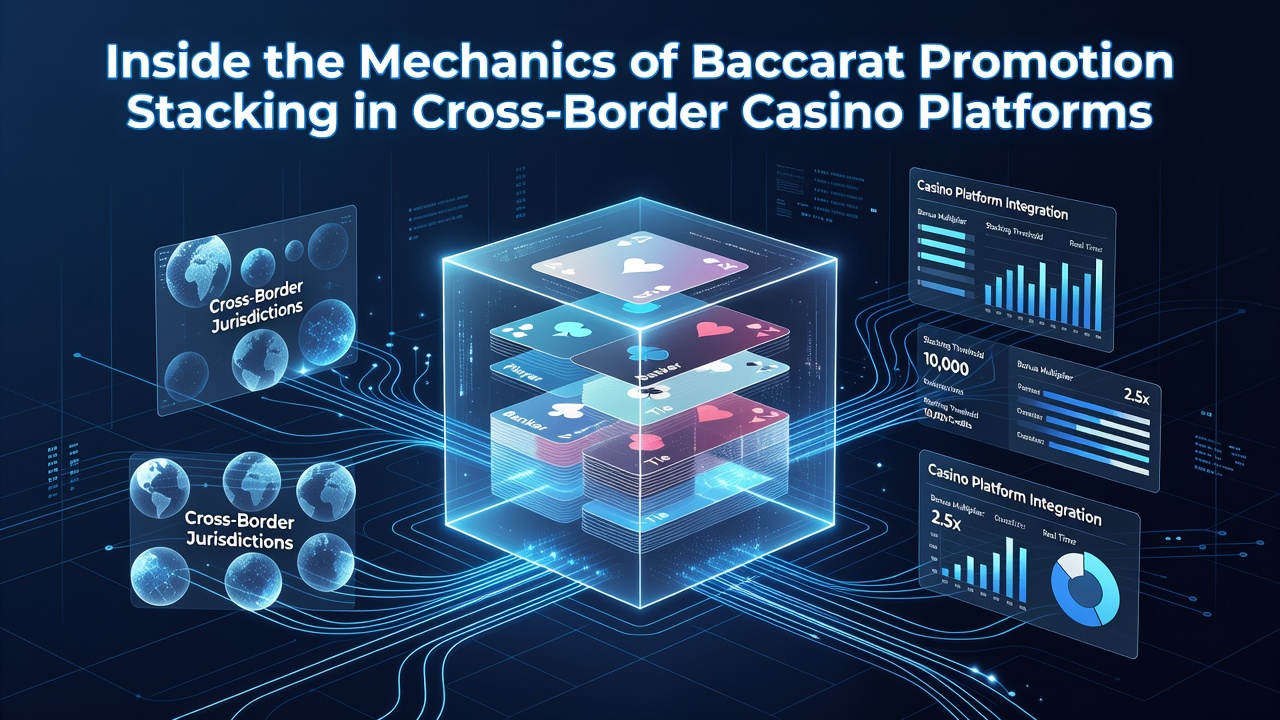
Cross-border casino platforms coordinate baccarat promotion stacking through synchronized systems that align welcome offers, cashback tiers, and tournament entries across multiple regulatory zones, and operators achieve this by maintaining separate compliance modules for each jurisdiction while sharing unified player tracking databases.
Core Technical Framework
Platforms deploy modular software architectures that tag individual promotions with jurisdiction-specific flags, which allows a single player account to accumulate layered rewards without violating local rules on bonus frequency or wagering multipliers. Data from operational logs indicate that these systems process thousands of concurrent sessions daily, while algorithms monitor real-time spend patterns to trigger or withhold stacked incentives based on location signals.
Regulatory Alignment Across Regions
Operators must reconcile differing requirements from bodies such as the Nevada Gaming Control Board and Singapore's Casino Regulatory Authority, so they segment promotion eligibility by IP geolocation and verified address data. This segmentation prevents overlap violations, and records show that platforms update these rules quarterly to reflect policy shifts observed through November 2026.
One documented approach involves routing player verification through centralized identity services that feed into regional compliance engines, and this method reduces duplicate bonus claims while preserving stacking opportunities within permitted boundaries. Figures from industry reports reveal that successful implementations cut regulatory audit times by integrating automated reporting features directly into the promotion engine.
Player Tracking and Layer Activation
Unified loyalty databases record every baccarat wager alongside associated promotion codes, which enables automatic activation of secondary rewards once primary conditions clear. Observers note that cross-border platforms often apply volatility filters to these records so that high-variance sessions unlock deeper stacking tiers in one region while remaining capped in another.
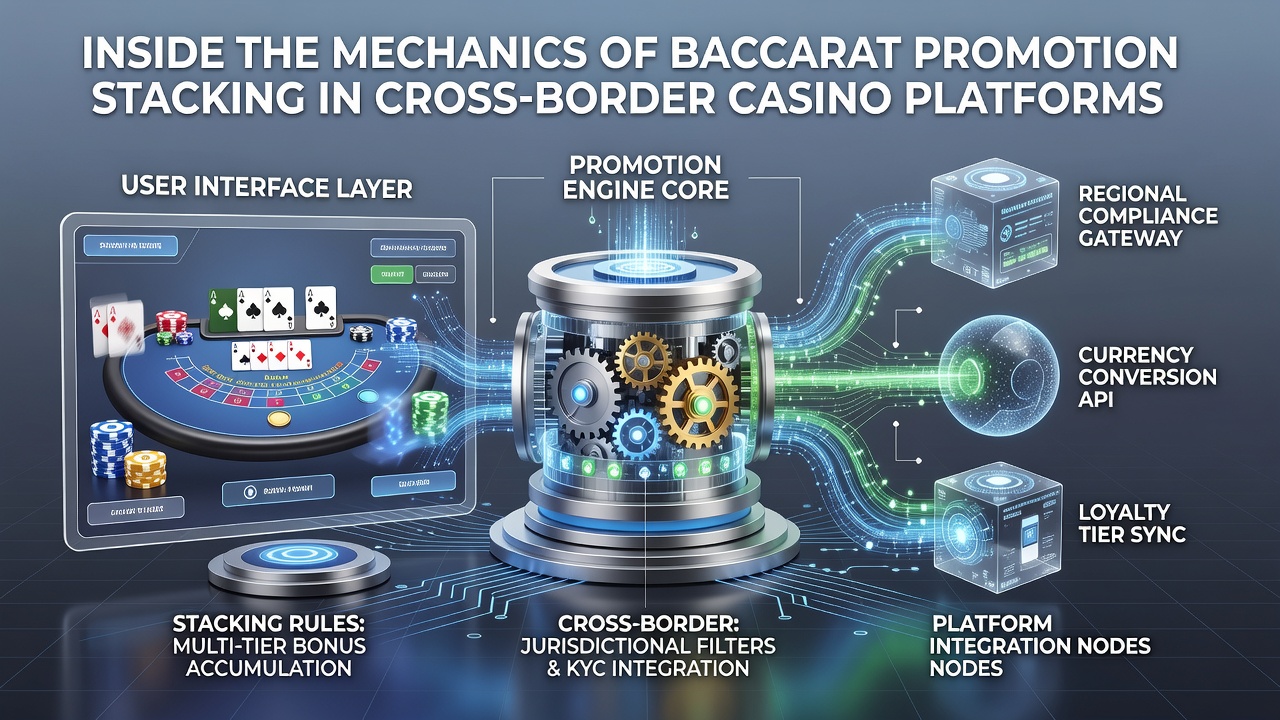
Take the case of a platform operating sites licensed in both North American and Asian markets, where researchers documented that session data flows into a shared analytics layer that calculates combined progress toward milestone bonuses. The system then distributes rewards according to the strictest applicable rule set, and this prevents any single jurisdiction from triggering an over-limit condition.
Case Examples from Operational Platforms
Platforms have integrated tournament entry bonuses with deposit-match offers by assigning each component a distinct expiration timer tied to the originating license, and players crossing from one region to another receive adjusted terms that maintain overall stacking value. Evidence from transaction audits shows these timers reduce conflict rates during account migrations.
Another configuration links referral chains directly to stacked cashback structures, where invite rewards feed into the same tracking pool used for live-dealer marathon incentives, and data indicates this linkage increases retention metrics across borders without breaching individual market caps.
Security and Compliance Controls
Encryption protocols wrap promotion metadata during cross-border data transfers, which protects against tampering that could artificially inflate stacked balances. Audits conducted by independent firms confirm that these controls align with standards set by multiple gaming authorities, and platforms conduct internal stress tests monthly to verify continued performance under peak load.
Conclusion
Mechanics of baccarat promotion stacking on cross-border platforms rely on modular compliance, unified tracking, and jurisdiction-aware algorithms that together maintain layered reward delivery within legal limits. Continued refinement of these systems tracks evolving regulations while supporting consistent player experiences across networks.